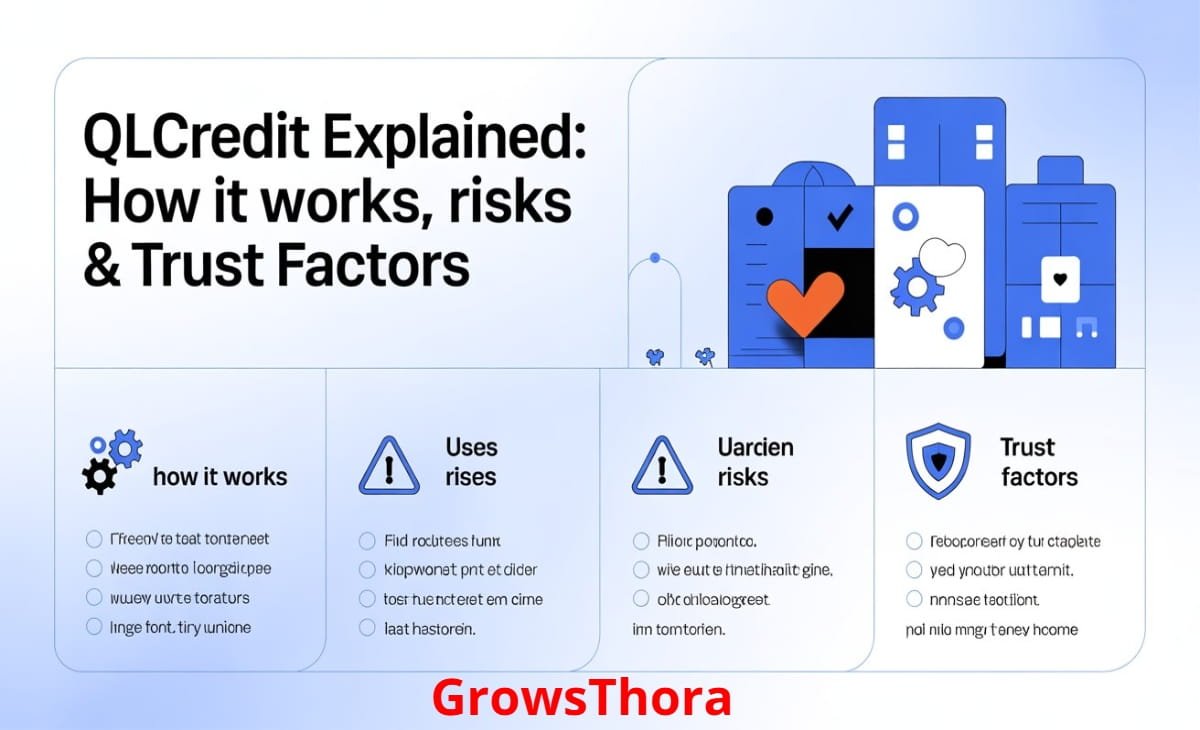
QLCredit Explained: How It Works, Uses, Risks & Trust Factors
Digital credit platforms are growing faster than regulation can keep up. Every month, users search unfamiliar names hoping to find quick financing, alternative credit access, or flexible repayment options. One such name gaining quiet attention is QLCredit. If you searched for qlcredit, chances are you are trying to answer a very practical question: Is this a real credit service, how does it work, and is it safe to use?
This article is written to answer that exact intent. Not promotional, not dismissive, and not vague. Instead, it explains it from a real-world user perspective, highlights where it can add value, where caution is required, and how to evaluate it intelligently before committing any personal or financial information.
As someone who has spent years analyzing emerging fintech platforms, digital lenders, and alternative credit systems, I have learned that the most dangerous platforms are not always outright scams. Often, the risk lies in unclear terms, aggressive data collection, or unrealistic expectations. QLCredit deserves a closer, balanced look.
What Is QLCredit? A Clear and Practical Definition
QLCredit appears to function as a digital credit or financing service, typically associated with short-term loans, credit facilitation, or financial access tools for users who may not qualify through traditional banks. Platforms like this often position themselves as faster, more flexible alternatives to conventional lending institutions.
Rather than operating like a full bank, QLCredit fits into the broader category of fintech credit intermediaries. This means it may connect users to lenders, assess eligibility using non-traditional data, or provide its own structured credit products depending on region and regulatory environment.
What makes platforms like it attractive is speed. Users are often drawn in by promises of quick approval, minimal paperwork, and digital onboarding. However, speed without clarity can create confusion, which is why understanding how QLCredit operates is more important than simply knowing what it claims to offer.
Why QLCredit Is Being Searched Right Now
Search interest around qlcredit is largely driven by curiosity and caution. People are encountering the name through ads, referrals, or app listings and want verification before proceeding. This behavior aligns with a broader trend identified by financial regulators and academic research showing increased consumer skepticism toward unfamiliar digital lenders.
According to research published by the U.S. Consumer Financial Protection Bureau, borrowers are increasingly exposed to alternative lenders that operate outside traditional transparency standards. This makes independent evaluation essential for user safety .
The urgency comes from the fact that once personal financial data is shared, it cannot be easily retrieved. That is why this topic matters now.
How QLCredit Typically Works Behind the Scenes
While exact features may vary by country or version, QLCredit generally follows a predictable fintech credit workflow. Users register digitally, submit identity and financial details, and receive an eligibility response based on algorithmic assessment rather than traditional credit scoring alone.
These platforms often rely on behavioral data, transaction patterns, or mobile usage signals to evaluate risk. This approach can benefit users with limited credit history, but it also introduces privacy considerations that users should not ignore.
A helpful visual here would be a simple flow diagram showing user signup, data verification, credit decision, and repayment cycle. This helps readers understand where their data enters the system and where obligations begin.
The Real Benefits of Using QLCredit
The main value of QLCredit lies in accessibility. For users who are underserved by banks, whether due to lack of credit history or rigid income requirements, platforms like QLCredit can provide a temporary financial bridge.
Another advantage is convenience. Entire processes are often completed online without branch visits or lengthy forms. In regions with limited banking infrastructure, this can be genuinely empowering.
There is also the psychological benefit of speed. When facing urgent expenses, waiting weeks for approval is not practical. QLCredit’s model appears designed to address this gap.
Common Risks, Misunderstandings, and Myths
The biggest myth around QLCredit is that digital credit is automatically easier or cheaper. In reality, convenience often comes with higher fees, stricter penalties, or aggressive collection practices if terms are misunderstood.
Another risk involves data privacy. Users may consent to data access without fully understanding how long that data is stored or how it is shared. This is not unique to it, but it is a consistent issue across alternative credit platforms.
There is also confusion between being a “credit provider” and a “credit facilitator.” Users may assume QLCredit is lending directly when it may be acting as an intermediary. This distinction matters legally and financially.
Is QLCredit Legit or Risky? How to Evaluate It Yourself
Rather than blindly trusting or dismissing QLCredit, a smarter approach is structured evaluation. Look for clear company identification, regulatory registration where applicable, transparent fee disclosures, and accessible customer support.
Harvard Business School research on fintech trust emphasizes that platforms with visible governance and transparent terms consistently outperform opaque competitors in user satisfaction and long-term survival .
If QLCredit lacks clarity in these areas, that does not automatically mean fraud, but it does increase user responsibility to proceed carefully.
Real-World Use Case: When QLCredit Makes Sense
Consider a freelance worker with inconsistent monthly income who needs short-term liquidity for equipment repair. Traditional banks may reject the application due to income volatility. A platform like QLCredit may approve based on alternative data, solving an immediate problem.
However, this only works when the user understands repayment terms clearly and treats the credit as a temporary solution rather than recurring dependency.
A comparative chart visual here could help readers see differences between bank loans, credit cards, and platforms like QLCredit in terms of speed, cost, and flexibility.
Step-by-Step Guide: How to Use QLCredit Safely
Before signing up, read all terms slowly, especially fee structures and late payment policies. Use a secondary email and avoid unnecessary app permissions. Start with the smallest possible amount to test the platform’s behavior. Document every transaction and communication.
From professional observation, users who treat alternative credit cautiously experience far fewer negative outcomes than those who act under urgency alone.
Frequently Asked Questions
What is QLCredit used for?
QLCredit is typically used for short-term digital credit access or financing when traditional banking options are limited or unavailable.
Is QLCredit a bank?
No, QLCredit is generally not a bank. It operates as a fintech credit service or intermediary depending on region and regulatory structure.
Does QLCredit affect credit score?
This depends on whether the platform reports to credit bureaus. Users should verify this before borrowing.
Is QLCredit safe to use?
QLCredit can be used safely if terms are transparent and users understand fees, data usage, and repayment obligations.
Why does QLCredit ask for personal data?
Alternative credit platforms use non-traditional data to assess eligibility, but users should review privacy policies carefully.
Conclusion
QLCredit represents a modern reality of digital finance. It is neither a miracle solution nor automatically dangerous. Its value depends entirely on user awareness, transparency, and responsible use.
If you need fast access and understand the risks, QLCredit may serve a short-term purpose. If you are unsure or uncomfortable with data sharing or fee ambiguity, it is better to pause and explore alternatives.
Your next step: Explore regulated credit options, compare platforms carefully, or consult a financial advisor before committing. If you have experience with QLCredit, share your insights to help others make informed decisions.