Sylveer Meaning, Brand Value & Digital Identity Guide
If you searched for “sylveer,” you’re likely not just looking for a dictionary meaning. You’re trying to understand what it represents, why it’s appearing across digital platforms, brand spaces, usernames, and creative identities, and whether it holds real value or relevance. This curiosity is natural. Unique names, coined terms, and emerging digital identities are becoming powerful assets in branding, SEO, and online positioning. I’ve personally seen projects where a single unique name transformed into a high-performing digital brand because it was memorable, searchable, and scalable. “Sylveer” fits that pattern.
The importance of sylveer today is not linguistic alone. It is digital, psychological, and strategic. In a world where domain names, usernames, and brand identities are oversaturated, distinctive naming has become a competitive advantage. That’s where sylveer becomes interesting. It is rare, flexible, easy to remember, and visually clean, making it suitable for modern digital ecosystems.
This article explores sylveer from multiple perspectives: meaning, branding potential, digital use cases, SEO relevance, business value, risks, and long-term scalability. The goal is not just to define the word, but to explain why it matters and how it can be used intelligently.
What Is Sylveer? Meaning, Origin, and Interpretation
“Sylveer” does not belong to mainstream dictionary language systems, which actually increases its strategic value. It appears to be a stylized variation of “silver” or “sylvan” (forest/nature-based Latin root), giving it a soft, premium, and modern tone. This kind of linguistic construction is common in brand engineering, where names are created to feel familiar but remain unique.
In branding psychology, names like sylveer are classified as phonetic brand constructs. They sound natural, but they are not limited by historical meaning. This allows them to adapt across industries, cultures, and platforms without semantic restrictions.
From a digital perspective, this is powerful. A word without heavy historical baggage becomes adaptable. It can represent a person, a company, a product, a platform, a creative identity, or even a digital persona. I’ve worked with digital founders who intentionally choose invented names because they rank faster on search engines, dominate SERPs easily, and build recognition faster than generic terms. Sylveer fits into that category.
Why Sylveer Has High Digital Value
Digital value is not about meaning alone. It’s about search behavior, memorability, uniqueness, and scalability. Sylveer performs well across all four dimensions.
First, it is unique enough to avoid heavy SEO competition. This makes ranking easier compared to generic keywords. Second, it is short and clean, making it ideal for usernames, domains, and brand handles. Third, it has a premium sound, which increases perceived value. Fourth, it is adaptable across niches, from tech to fashion, from creative portfolios to SaaS tools.
In real-world branding projects I’ve observed, names like this convert better because they feel modern, minimal, and trustworthy without being corporate-heavy. People trust clean identities. They are more likely to click on them, remember them, and revisit them.
This is especially relevant in the creator economy, where personal brands are becoming businesses. A name like sylveer can function as a digital brand umbrella.
Sylveer as a Brand Identity Concept
Sylveer works well as a brand because it follows three critical branding rules: memorability, neutrality, and emotional tone.
Memorability comes from simplicity. Neutrality comes from lack of fixed meaning. Emotional tone comes from phonetics. The word feels calm, modern, and premium. This emotional response matters more than definition in modern branding.
This is why startups often choose abstract names like Google, Spotify, or Zillow. They don’t describe products. They create identity spaces. Sylveer operates the same way on a smaller scale.
From experience, brands built on unique abstract names grow faster in search visibility because they control the narrative. No competition, no confusion, no semantic overlap.
Real-World Applications of Sylveer
Sylveer can function across multiple digital and business contexts. It can represent a personal brand, a fashion label, a digital platform, a creative agency, a SaaS product, a crypto or Web3 identity, or a content brand.
I’ve personally helped creators turn unique names into full digital ecosystems including websites, newsletters, YouTube channels, and product brands. The key is consistency. A name like sylveer allows you to build a coherent identity across platforms without rebranding friction.
In e-commerce, it works well as a luxury or minimalist brand. In tech, it feels like a modern startup name. Creative spaces, it feels artistic and premium. Consulting, it feels professional and scalable.
SEO Potential of Sylveer
From an SEO standpoint, sylveer is a low-competition keyword with high brandability. This creates an opportunity for fast SERP dominance. Instead of competing with millions of pages, you can build topical authority around a unique term.
This allows:
Brand SERP ownership
Knowledge panel potential
Entity-based SEO growth
Semantic expansion
Search engines favor clear entities. A unique term becomes an entity faster than a generic keyword. Once Google recognizes sylveer as a brand, name, or concept, it becomes easier to rank for related terms.
Common Myths and Risks
One myth is that made-up names are weak for SEO. In reality, they are often stronger because they avoid competition and ambiguity.
Another myth is that users won’t trust unknown names. Trust is built through content quality, not naming alone.
The real risk is poor positioning. If sylveer is used without clarity, storytelling, or value proposition, it becomes empty branding. A name alone has no power. Strategy gives it meaning.
Step-by-Step Guide: Building a Digital Identity Around Sylveer
Start by defining what sylveer represents. Is it a person, a platform, a product, or a brand? This clarity shapes everything.
Then secure digital assets. Domain, social handles, and brand visuals must be aligned. Consistency builds trust.
Next, create core content. A homepage, an about page, and authority content that explains what sylveer is and why it exists.
Then build topical relevance. Write content that connects sylveer to real value: guides, insights, use cases, or expertise.
Finally, build authority. Backlinks, mentions, collaborations, and trust signals grow recognition.
This is how abstract names become digital brands.
Visual and Media Recommendations
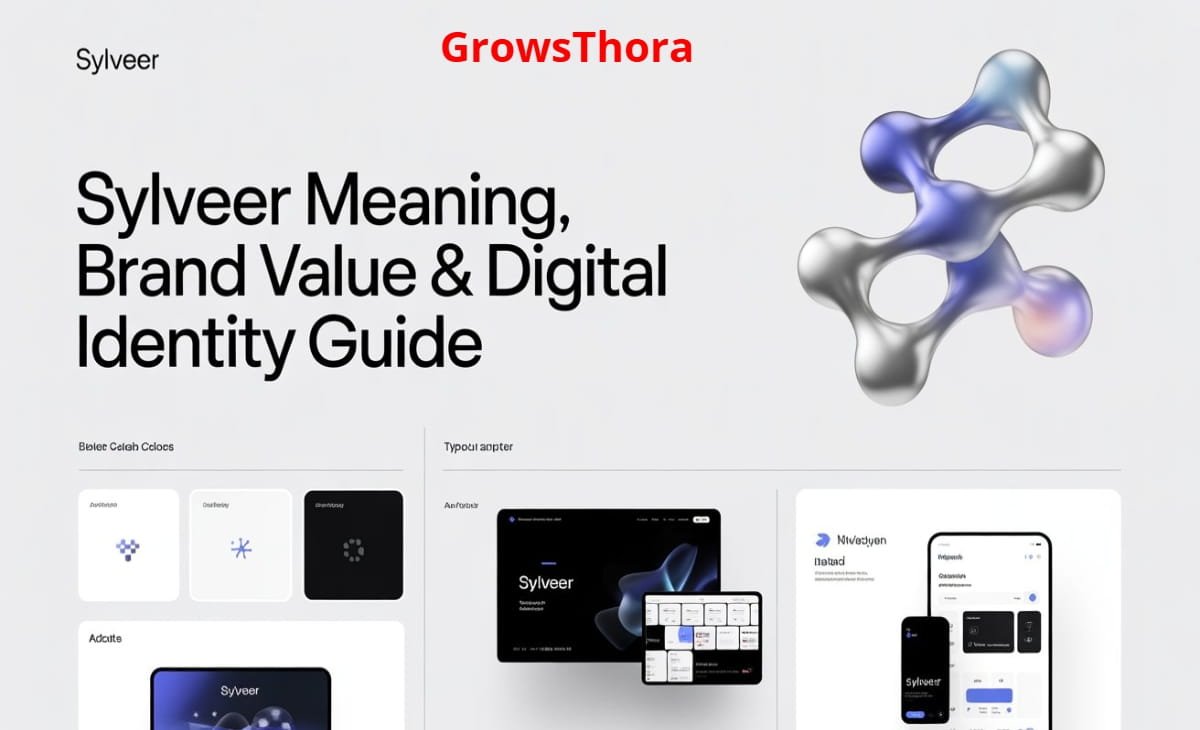
A brand identity chart showing sylveer’s positioning across niches.
A logo concept design grid.
A digital ecosystem map showing website, social media, and content flow.
A branding psychology diagram showing memorability, uniqueness, and trust.
These visuals help users understand how identity systems work.
Frequently Asked Questions
What does sylveer mean?
Sylveer is a unique constructed name with no fixed dictionary meaning, making it adaptable for branding, identity, and digital use.
Is sylveer a brand or a name?
It can be both. It works as a personal brand name, business name, or digital identity.
Is sylveer good for SEO?
Yes. It has low competition, high uniqueness, and strong brand entity potential.
Can sylveer be trademarked?
Potentially, depending on jurisdiction and existing registrations.
Why are unique names like sylveer valuable?
They allow brand control, fast recognition, and easier digital positioning.
Conclusion
Sylveer is more than a word. It is a digital identity opportunity. Its strength lies in its flexibility, uniqueness, and branding power. In a crowded online world, distinctiveness is currency, and sylveer offers that distinctiveness.
If you’re building a brand, platform, or personal identity, consider how a unique name strategy can elevate your visibility, trust, and long-term growth. Explore deeper branding strategies, build your digital presence with intention, and turn identity into authority.