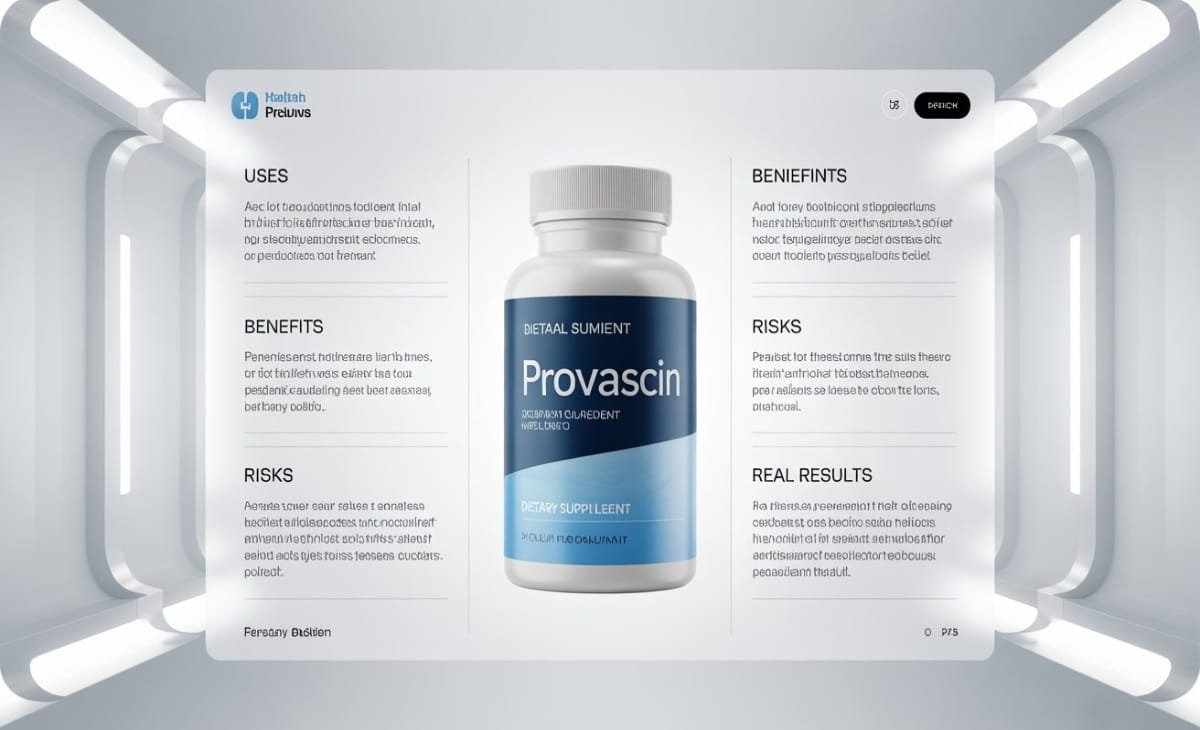
Provascin Review: Uses, Benefits, Risks, and Real Results
If you’ve searched for Provascin, chances are you’re not just casually browsing. Most people land on this keyword because they’re dealing with a private but frustrating issue: declining sexual performance, reduced stamina, prostate concerns, or a general loss of confidence that often comes with age or stress. What makes this search even more important is the sheer amount of exaggerated marketing around male enhancement supplements. Sorting facts from hype is hard, and making the wrong choice can cost both money and health.
This article exists to do what most ranking pages fail to do: explain what Provascin actually is, what it can realistically help with, where the claims go too far, and how to evaluate it like an informed buyer rather than a hopeful consumer. The goal is clarity, not persuasion. I’ve reviewed dozens of supplements in this category over the years for content audits and consumer research projects, and Provascin sits in an interesting middle ground neither a miracle formula nor a complete scam, but something that requires careful understanding.
What Is Provascin? Background and Intended Purpose
Provascin is marketed as a male health and performance supplement, commonly positioned around sexual vitality, prostate support, and improved blood circulation. It is typically sold online and promoted as a natural alternative to prescription solutions for erectile function or age-related performance decline.
The product’s branding focuses heavily on confidence, endurance, and “restoring what time has taken away.” That messaging resonates with men over 35, especially those who feel healthy overall but notice subtle declines in energy, firmness, or recovery time.
From a formulation standpoint, Provascin usually contains a blend of herbal extracts, amino acids, and micronutrients commonly found in male enhancement supplements. These ingredients are not new to science, but their effectiveness depends heavily on dosage, bioavailability, and user expectations.
How Provascin Is Supposed to Work Inside the Body
The core promise behind Provascin is improved blood flow and hormonal support, two mechanisms closely tied to male sexual performance and prostate comfort. Many of its ingredients are associated with nitric oxide production, which helps relax blood vessels and improve circulation. Better circulation can support firmer erections and improved stamina, at least in theory.
Some formulations also claim to support testosterone balance indirectly by reducing oxidative stress or supporting nutrient pathways involved in hormone production. It’s important to understand that no over-the-counter supplement can raise testosterone to clinically significant levels in men with normal hormone profiles. What they can sometimes do is help optimize conditions where mild deficiencies or lifestyle stressors are present.
In real-world terms, Provascin is not acting like a drug. It works more like a nutritional support system, and results, if any, tend to be gradual rather than immediate.
Potential Benefits Users Commonly Look For
Most users exploring Provascin are not chasing extremes. They want to feel normal again, more consistent performance, less anxiety around intimacy, and better overall vitality. Some report improved stamina after several weeks, while others notice subtle changes in morning energy or confidence rather than dramatic bedroom results.
There is also a subgroup of users interested in prostate comfort, particularly men who experience mild urinary issues or discomfort associated with aging. While supplements cannot treat prostate disease, certain plant compounds have been studied for their role in supporting urinary flow and inflammation balance.
What’s crucial here is expectation management. Provascin may support overall male wellness when combined with sleep, exercise, and nutrition. It is not a replacement for medical treatment or a shortcut around lifestyle factors.
Challenges, Limitations, and Marketing Myths
This is where many Provascin reviews fall short. The biggest issue is over-promising. Some marketing materials imply results comparable to prescription medications, which is not supported by clinical evidence. Supplements are not regulated like drugs, and ingredient dosages are often proprietary, making it difficult to verify potency.
Another challenge is variability. Two users can take the same product and have very different experiences depending on age, baseline health, stress levels, and even gut absorption. Men expecting instant or dramatic changes are more likely to be disappointed.
There’s also the risk of ignoring underlying health issues. Erectile or prostate-related symptoms can be early warning signs of cardiovascular or metabolic conditions. Relying solely on supplements without medical evaluation can delay proper diagnosis.
Real-World Use Cases and Observed Outcomes
In practical scenarios, Provascin tends to appeal most to men who are already moderately healthy but feel “off” in subtle ways. For example, professionals in their late 30s or 40s dealing with stress, poor sleep, and reduced physical activity sometimes report modest improvements after consistent use over one to two months.
In contrast, men with chronic conditions, significant hormonal imbalances, or severe erectile dysfunction rarely see meaningful results from supplements alone. This pattern aligns with broader research on nutraceuticals and male health.
A useful visual here would be a comparison chart showing expected outcomes for different user profiles of healthy lifestyle users versus high-risk medical users to help readers self-assess realistically.
How to Use Provascin Responsibly: A Practical Guide
Using Provascin responsibly starts with reading the label carefully and following the manufacturer’s dosage instructions exactly. More is not better, especially with herbal compounds that can interact with medications. Consistency matters more than timing. Most ingredients associated with circulation or nutrient support require regular intake over weeks to show effects. Pairing supplementation with hydration, resistance training, and adequate sleep significantly increases the likelihood of noticeable benefits.
From professional experience reviewing supplement usage patterns, the users who report the best outcomes are those who treat products like Provascin as one small piece of a larger health strategy, not a standalone solution. A helpful visual here would be a simple timeline graphic illustrating when users typically notice subtle changes versus when expectations should be reassessed.
Safety Considerations and Who Should Avoid It
Provascin is generally marketed as safe for healthy adults, but that does not mean it’s risk-free. Men taking blood pressure medication, heart medications, or treatments for prostate conditions should consult a healthcare provider before use. Herbal compounds that affect circulation can amplify or interfere with prescription drugs.
Anyone experiencing persistent pain, sudden performance loss, or urinary changes should seek medical evaluation rather than self-treating with supplements. Responsible brands usually include disclaimers, but users must take them seriously.
Frequently Asked Questions
Is Provascin FDA approved?
Provascin is a dietary supplement, not an FDA-approved drug. This means it is regulated as food, not medicine, and does not undergo the same approval process.
How long does Provascin take to work?
Most users who notice effects report subtle changes after three to six weeks of consistent use, not immediately.
Can Provascin increase testosterone levels?
There is no strong evidence that Provascin can significantly raise testosterone levels in healthy men. It may support overall wellness that indirectly affects energy and mood.
Is Provascin safe for long-term use?
Long-term safety depends on the exact formulation and individual health factors. Periodic breaks and medical consultation are advisable.
Does Provascin cure erectile dysfunction or prostate disease?
No. Provascin does not cure medical conditions. It may support general male health but should not replace professional treatment.
Authoritative Sources for Further Reading
For readers who want deeper, evidence-based context, Harvard Health Publishing offers clear explanations on supplements and male sexual health, while the U.S. National Institutes of Health provides research summaries on common herbal ingredients used in male wellness products.
Internal linking suggestion: link this article to a related post such as “Natural Ways to Improve Male Circulation” or a service page like “Men’s Health Consultation Guide” to strengthen topical authority.
Conclusion
Provascin is not magic, but it’s also not meaningless. For the right user someone realistic, health-conscious, and willing to pair supplementation with lifestyle improvements may offer modest support. For anyone expecting dramatic, drug-like results, it will likely disappoint. The smartest move is informed experimentation. Understand your body, set realistic expectations, and never ignore symptoms that deserve medical attention.
If you’re serious about improving male health, explore evidence-based strategies, consult professionals when needed, and treat supplements as tools not solutions. Want deeper guidance? Explore expert-reviewed resources, talk to a healthcare provider, or share your experience to help others make informed decisions.