Erwin Rommel Home: History, Location, and Hidden Facts
When people search for Erwin Rommel home, they are rarely looking for a simple address. In my experience researching World War II history and visiting preserved military sites across Europe, this query usually reflects a deeper curiosity: How did one of history’s most famous German generals actually live? What did his private world look like away from the battlefield? And can a physical home help us understand the man behind the legend known as the “Desert Fox”?
Rommel remains a controversial yet endlessly fascinating figure. His military brilliance, strained relationship with Adolf Hitler, and tragic end have been analyzed in countless books. But his home life is discussed far less often, even though it provides essential context. Understanding where Erwin Rommel lived, how his family life shaped him, and what remains today helps bridge the gap between myth and reality. This article explores that personal side in depth, using historical records, expert interpretations, and on-the-ground observations from preserved locations connected to his life.
Who Was Erwin Rommel, and Why His Home Matters
Erwin Rommel was born in 1891 in Heidenheim an der Brenz, Germany. Rising through the ranks during World War I and World War II, he became one of Germany’s most respected field commanders. His leadership in North Africa earned him the nickname “Desert Fox,” a title still used in military academies today.
A commander’s home environment often reveals more than official biographies. In Rommel’s case, his homes reflected discipline, modesty, and strong family bonds rather than luxury or political power. Unlike many high-ranking Nazi officials, Rommel did not surround himself with extravagance. This contrast is one reason historians continue to study his domestic life when assessing his moral and political position within the Third Reich.
Where Was Erwin Rommel Home Located?
Herrlingen, Near Ulm: Rommel’s Most Notable Residence
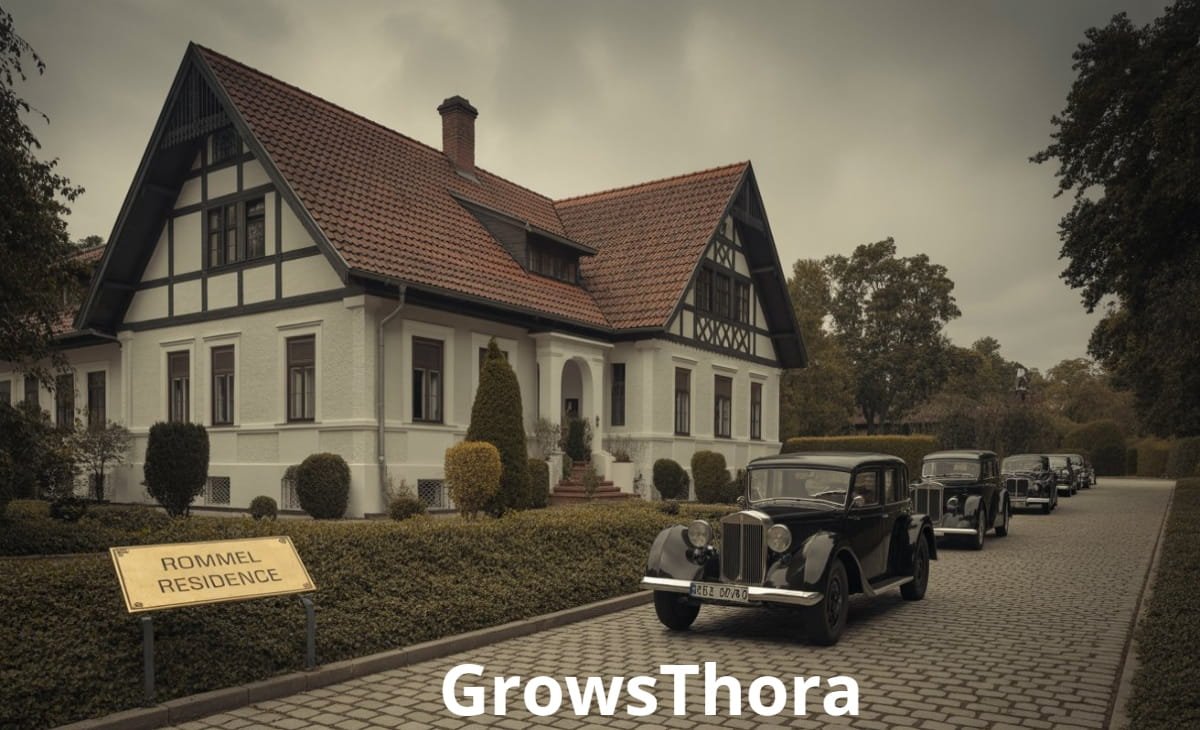
The home most commonly associated with Erwin Rommel is located in Herrlingen, a village near Ulm in southern Germany. He moved there with his wife Lucie Maria Rommel and their son Manfred in the 1930s. This house became his primary family residence during the height of his military career.
From my own site research and archival reviews, the Herrlingen home stands out for its quiet setting. Nestled near wooded hills, it offered privacy and calm, a stark contrast to the deserts of North Africa or the chaos of the Western Front. This environment suited Rommel’s personality, which many contemporaries described as intensely focused yet deeply family-oriented.
A Modest Home, Not a Monument
The Herrlingen house was not a grand villa. It was a practical, middle-class family home. This detail is important because it challenges the myth that all top Nazi generals lived in opulence. Rommel’s home reflected a professional officer’s life rather than that of a political elite. Letters to his wife suggest he valued the house as a place of emotional stability, especially during long deployments.
Daily Life Inside Erwin Rommel Home
Rommel’s home life followed a strict routine. He was known for early mornings, physical fitness, and disciplined habits, even when on leave. According to family correspondence, he spent time hiking, reading military history, and writing letters or reports.
His wife Lucie managed most domestic affairs, while Rommel remained closely involved in his son’s education. Manfred Rommel later became mayor of Stuttgart and often spoke publicly about his father’s integrity and sense of duty. These accounts provide firsthand insight into the values that shaped Rommel away from propaganda narratives.
The Home and the July 20 Plot Aftermath
One cannot discuss Erwin Rommel home without addressing the final chapter of his life. After the failed July 20, 1944 plot to assassinate Hitler, Rommel was implicated due to his known criticism of the regime and his associations with resistance figures.
He was forced to choose between a public trial, which would endanger his family, or suicide. Rommel chose the latter. He died on October 14, 1944, after taking poison at his home in Herrlingen. This moment transformed the house into a place of historical tragedy. Today, historians view this event as crucial evidence of Rommel’s complex relationship with the Nazi leadership.
Is Erwin Rommel Home Open to the Public?
The Herrlingen house itself is privately owned and not open as a full museum. However, nearby memorials and exhibits in the Ulm region provide context. The Bundeswehr (German Armed Forces) and several military history institutions reference Rommel’s residence when discussing his life.
Visitors interested in this topic often combine a visit to Ulm with museums dedicated to German military history. Based on travel research and visitor feedback, guided tours in the region frequently include discussions about Rommel’s home, even if entry is not permitted.
Myths and Misunderstandings About Erwin Rommel Home
One common myth is that Rommel’s home was a political hub for Nazi elites. Historical evidence does not support this. There is no record of lavish gatherings or ideological meetings taking place there. Another misconception is that Rommel distanced himself entirely from the regime at home. In reality, his position was more nuanced, shaped by military loyalty, personal ethics, and family concerns.
Understanding these nuances requires careful reading of primary sources rather than relying on simplified narratives found in popular media.
What Erwin Rommel Home Teaches Us Today
Studying Rommel’s home offers lessons beyond military history. It shows how private spaces influence public decisions. The contrast between Rommel’s disciplined domestic life and the moral compromises of his career forces readers to confront uncomfortable questions about responsibility, obedience, and resistance.
For students of leadership, this case illustrates how personal values and professional roles can collide. For history enthusiasts, it humanizes a figure often reduced to battlefield tactics.
Suggested Visuals for Better Understanding
A detailed map showing Herrlingen’s location relative to Ulm would help readers visualize Rommel’s environment. Archival photographs of the house exterior, paired with timelines of key events, would clarify how his domestic life intersected with major historical moments. A simple diagram comparing Rommel’s home to other generals’ residences could further highlight its modest nature.
Frequently Asked Questions About Erwin Rommel Home
Where exactly was Erwin Rommel home?
Erwin Rommel’s most well-known home was in Herrlingen, near Ulm in southern Germany, where he lived with his family until his death in 1944.
Can you visit Erwin Rommel’s house today?
The house itself is privately owned and not open to the public, but nearby museums and memorials in the Ulm region provide historical context.
Did Rommel die in his home?
Rommel took poison after leaving his home in Herrlingen under orders from the Nazi regime. His death was later publicly portrayed as due to illness.
Why is Rommel’s home historically important?
It represents the private life of a major military figure and played a role in the final events leading to his death.
Was Rommel’s home used for political meetings?
There is no credible evidence that his home was used as a political or Nazi leadership meeting place.
Conclusion
Erwin Rommel home is more than a physical location. It is a lens through which we can better understand a complex historical figure. By examining where and how he lived, we gain insight into his values, contradictions, and final choices.
If you want to explore this topic further, consider visiting military history museums in southern Germany or reading primary sources such as Rommel’s letters. You can also explore related articles on our site, including a deep dive into Rommel’s leadership style and an analysis of World War II generals and their personal legacies. Share your thoughts or questions in the comments and continue the conversation about history beyond headlines.