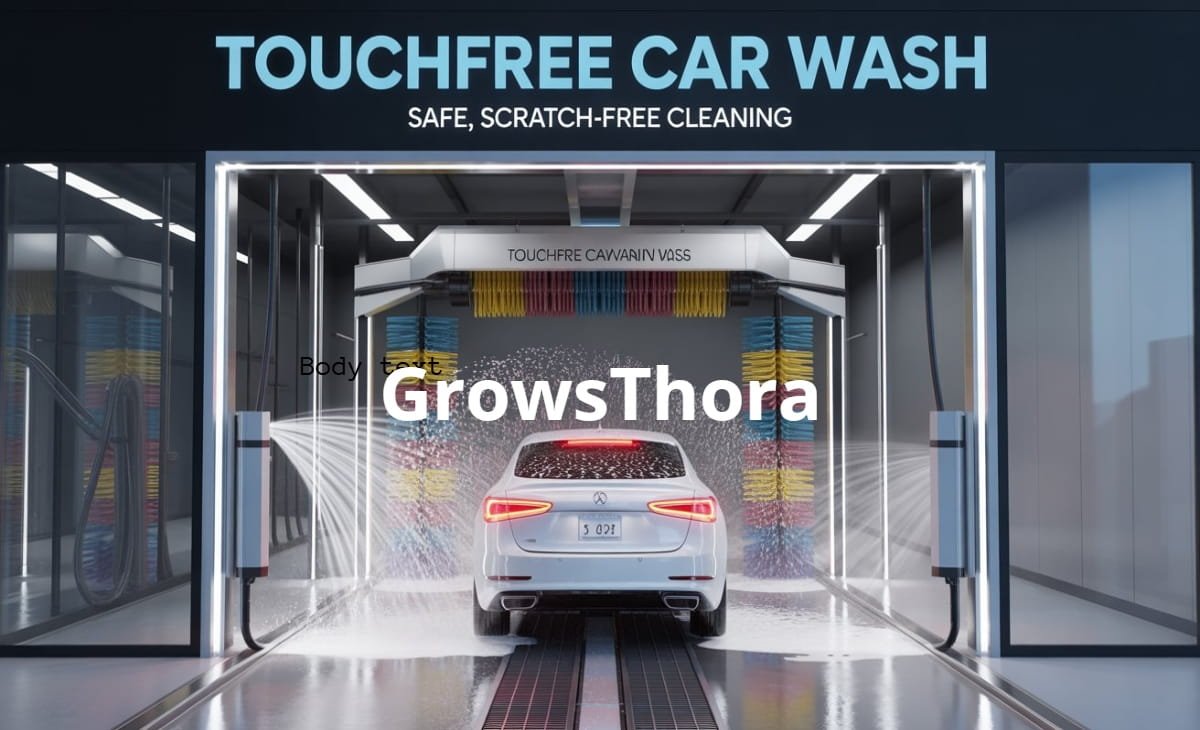
Touchfree Car Wash Near Me: Safe, Scratch-Free Cleaning
If you have ever stepped back after a car wash only to notice faint swirl marks, micro-scratches, or dull patches on your paint, you already understand the frustration that drives millions of searches for a touchfree car wash near me every month. Modern vehicles are expensive, paint finishes are thinner than they were a decade ago, and drivers are more protective of their cars than ever. At the same time, busy schedules leave little room for careful hand washing at home.
As someone who has owned dark-colored vehicles for years and tested everything from traditional tunnel washes to professional detailing studios, I have seen firsthand how improper washing damages clear coats over time. Touchfree car washes emerged as a response to this exact pain point: how do you clean a car thoroughly without physically touching the paint?
This article is written from real-world experience, not theory. It explains what touchfree car washes really do, how effective they are, when they are the best option, and when they are not. More importantly, it helps you decide whether the nearest touchfree wash is worth your time and money.
What Is a Touchfree Car Wash?
A touchfree car wash is an automated washing system that cleans vehicles using high-pressure water, specialized detergents, and controlled chemical reactions rather than brushes, cloth strips, or foam fingers. The car remains stationary or moves slowly through the bay while spray arms and nozzles target dirt, salt, and road grime from multiple angles.
The core idea is simple: eliminate physical contact to reduce the risk of paint damage. In practice, the technology relies heavily on chemistry and water pressure. Alkaline pre-soaks loosen organic dirt, acidic solutions break down mineral deposits, and rinses flush contaminants away before spot-free drying begins.
In my experience testing different systems across urban and suburban locations, the quality of a touchfree wash depends less on the brand name and more on how well the equipment is maintained and how carefully the chemicals are calibrated.
Why Drivers Prefer Touchfree Car Washes
The biggest advantage of a touchfree car wash is paint safety. Traditional brush systems, even when labeled as “soft cloth,” can trap sand or debris from previous vehicles. Over time, that friction creates visible swirl marks, especially on black, blue, and red paint.
Touchfree systems avoid this risk entirely. There is no mechanical contact, which makes them appealing for new cars, luxury vehicles, leased cars, and vehicles with ceramic coatings or delicate finishes.
Another benefit is consistency. Because the wash process is automated and standardized, you generally get the same result every visit. For commuters who wash weekly during winter or pollen season, this predictability matters.
Speed is also a factor. Most touchfree washes take under ten minutes, making them ideal for drivers who want a quick clean without scheduling a detailed appointment.
Common Myths and Misunderstandings
One of the most common myths is that touchfree car washes do not clean well. This belief usually comes from early-generation systems that lacked advanced chemistry. Modern touchfree washes, when properly maintained, remove most everyday contaminants effectively.
However, they are not miracle machines. Heavy mud, baked-on tar, or thick layers of road salt may not come off completely in a single pass. In those cases, a second wash or occasional hand cleaning may be necessary.
Another misconception is that the chemicals are harmful to paint. In reality, reputable operators use formulations designed specifically for automotive clear coats. Problems usually arise only when systems are poorly calibrated or chemicals are over-concentrated, which is why choosing a well-reviewed location matters.
Real-World Performance: What You Can Expect
Based on repeated use across different climates, a touchfree car wash typically removes loose dirt, dust, pollen, and light road grime very effectively. During winter months, it performs well against salt residue, which is critical for preventing corrosion.
What it struggles with are bonded contaminants such as tree sap, bug splatter that has baked in the sun, and oily residues near wheel wells. These require either manual pre-treatment or periodic detailing.
If your goal is maintaining a clean appearance between deeper washes, touchfree systems excel. If your car has not been washed in months, expectations should be adjusted.
How to Choose the Best Touchfree Car Wash Near You
Not all touchfree washes are equal. Location alone should not be the deciding factor. Look for facilities that advertise regular equipment maintenance and water filtration. Reviews mentioning “spot-free finish” and “no residue” are usually good signs.
From experience, newer installations tend to perform better because spray arms are more precise and pumps maintain consistent pressure. Independent operators who focus on car care rather than gas-only revenue often deliver better results.
If possible, observe a wash cycle before entering. Even without technical knowledge, you can often tell whether the system covers the vehicle evenly.
Step-by-Step: Getting the Best Results from a Touchfree Wash
Arrive with realistic expectations. Remove heavy mud or debris manually if present, especially around wheel arches.
Choose the highest wash tier if available. The added pre-soak stages and spot-free rinse make a noticeable difference.
Fold inside mirrors if recommended. This helps spray arms reach hidden areas.
After the wash, inspect the vehicle in good lighting. If minor residue remains, a quick microfiber wipe at home can finish the job without risk.
Used this way, touchfree washes become part of a smart maintenance routine rather than a one-size-fits-all solution.
Touchfree vs Soft-Touch vs Hand Wash
Each method serves a different purpose. Touchfree washes prioritize safety and convenience. Soft-touch tunnels emphasize speed and visible cleanliness but carry a higher risk of micro-damage over time. Hand washing, when done correctly, delivers the best results but requires time, tools, and skill.
For most drivers, a hybrid approach works best. Use touchfree washes for regular upkeep and reserve hand washing or professional detailing for seasonal deep cleans.
Environmental and Water Use Considerations
Modern touchfree car washes often recycle water and use less total volume than driveway washing. According to U.S. environmental agencies, professional car washes typically use significantly less water per vehicle than home washing when recycling systems are in place.
This makes touchfree systems not only paint-safe but also environmentally responsible when operated correctly.
Visual Suggestions for Better Understanding
A diagram showing how high-pressure spray arms move around a vehicle can help readers visualize coverage zones. A comparison chart illustrating swirl marks on brushed versus touchfree-washed paint would clearly demonstrate long-term differences. A simple flow graphic of chemical stages can also improve comprehension.
Frequently Asked Questions
Are touchfree car washes safe for new cars?
Yes. They are generally considered one of the safest automated options for new paint and clear coats.
Do touchfree car washes damage ceramic coatings?
No, when properly maintained. In fact, many ceramic coating installers recommend touchfree systems for maintenance.
How often should I use a touchfree car wash?
Weekly or bi-weekly use is common, especially during winter or pollen season.
Why does my car still look slightly dirty after a wash?
Bonded contaminants like tar or sap require manual treatment or detailing.
Are touchfree car washes more expensive?
They often cost slightly more than basic tunnel washes, but the reduced risk of paint damage offsets the difference.
Conclusion
If you value your vehicle’s paint, want fast and consistent results, and prefer a low-risk cleaning method, a touchfree car wash near you is absolutely worth considering. While it is not a replacement for proper detailing, it is one of the smartest ways to maintain a clean car without compromising long-term appearance.
For drivers who care about both convenience and preservation, touchfree washing is no longer a niche option. It is a practical, modern solution. Explore related guides on paint protection and car maintenance, or share your own experience with touchfree washes in the comments to help other drivers make informed decisions.